Daniel Haight
Dec 9, 2025
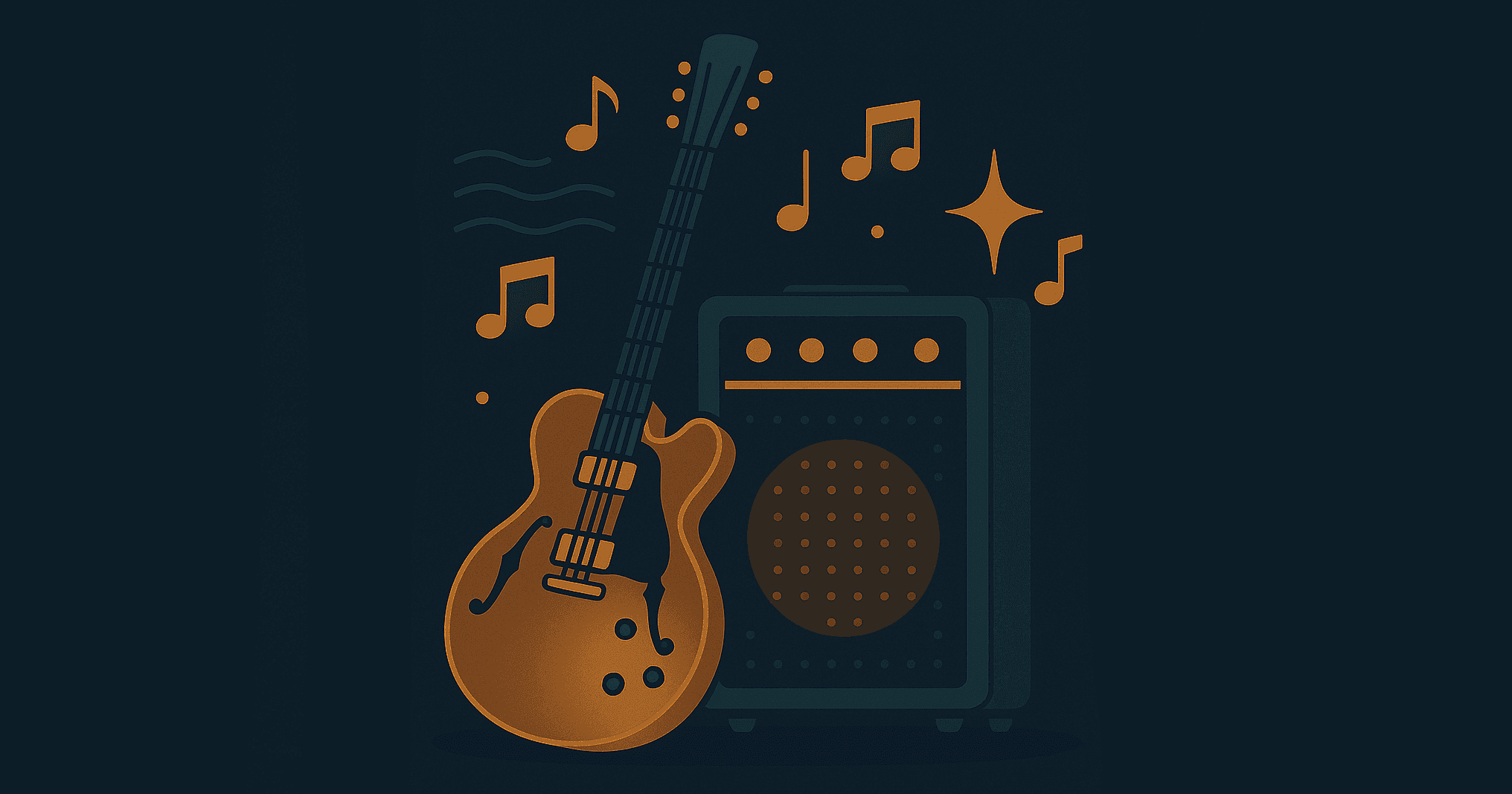
My music teacher used to organize jam sessions. One time, he invited a new guitarist. As he began to play, it became apparent his long hair was not an act. He'd earned those locks the hard way.
We fell into a blues progression and he started to solo. The rest of us backed off, one by one. Where we would have filled every measure, he left whole bars open. Just a bent note held until it ached, then silence. Another phrase, then nothing. The space made the notes that remained feel inevitable. For the rest of the night, I tried to understand what separated his playing from ours.
As we packed up, my teacher turned to me. "You can tell the truly great guitarists by the notes they don't play."
A defense attorney lays out contradictions during cross-examination. She could ask the final, damning question: "Why are these details inconsistent?" She could pontificate in closing. She does neither. She pauses, lets the silence hang, and returns to her seat. The jury connects the dots themselves.
The Vietnam Veterans Memorial: 58,000 names on black granite. No statues, no speeches—just the silence and your own reflection staring back as you search for the dead.
The Quakers gather without liturgy. They sit. They wait. Most of the hour passes in silence. When someone speaks, it's brief. Then quiet returns. The congregation completes the revelation.
I long thought my teacher was teaching me about restraint—about playing less. But restraint is just the technique. What the guitarist, the lawyer, and the Quakers practice is invitation: creating space where understanding can emerge. And the courage to do this comes from a deeper place: trust in the listeners' intelligence.
Years ago, while working in academia, we were testing an ambulance deployment model for a metro EMS service. We presented our solution on a map. The deputy chief asked if we could test a different location, one that balanced response times with land costs and political realities.
When we returned the next week, we hadn't made a new map. We'd made the map interactive.
The deputy took the mouse. He clicked, he dragged, he watched response times shift. "Mmm hmmm," he murmured. "Just as I suspected... That's interesting..." After three minutes, he stepped back. "This is the spot."
He hadn't adopted our recommendation. He'd discovered the answer himself.
As we packed up, the chief pulled us aside. "What you've built here," he said, "is unlike anything I've seen. You should start a company."
We drove home in silence, turning it over.
That night at the jam session, I heard brilliance but couldn't name it. Now I can. My teacher wasn't teaching me about economy. He was teaching me about trust. Trust in the listeners, in the silence, in the space between the notes where the real music lives.
More From the Blog